Safe-wallet.io / Greenbit.fit Review: What Investors Should Know
Meta Title: Safe-wallet.io / Greenbit.fit Review – Investor Warning Signs
Meta Description: Read our Safe-wallet.io / Greenbit.fit review, discover warning signs to watch for, and learn about asset retrieval services and possible recovery options.
URL Slug: safe-wallet-io-greenbit-fit-review
Focus Keyphrase: Safe-wallet.io / Greenbit.fit Review
The rapid expansion of cryptocurrency and online investment services has given investors more financial opportunities, but it has also made careful due diligence increasingly important. Safe-wallet.io and Greenbit.fit are names that prospective users may encounter when researching online financial services. Before transferring money or cryptocurrency to an unfamiliar platform, investors should verify who operates it, what protections are available, and whether its representations can be independently confirmed. This Safe-wallet.io / Greenbit.fit review highlights important considerations and explains how Asset retrieval services may assist people attempting to address financial losses.
Safe-wallet.io / Greenbit.fit Review: Checking the Platform
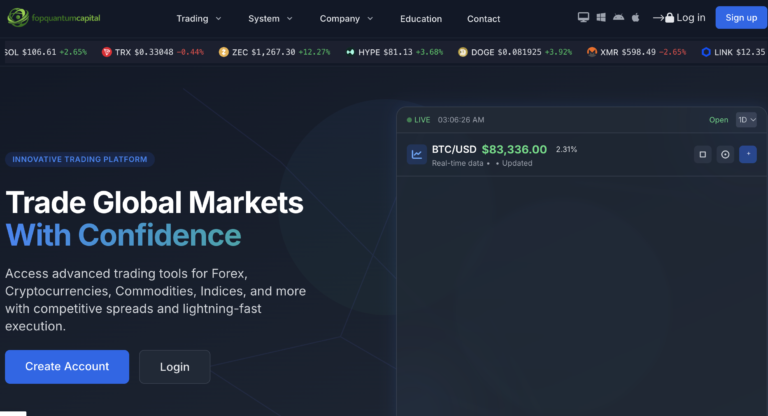
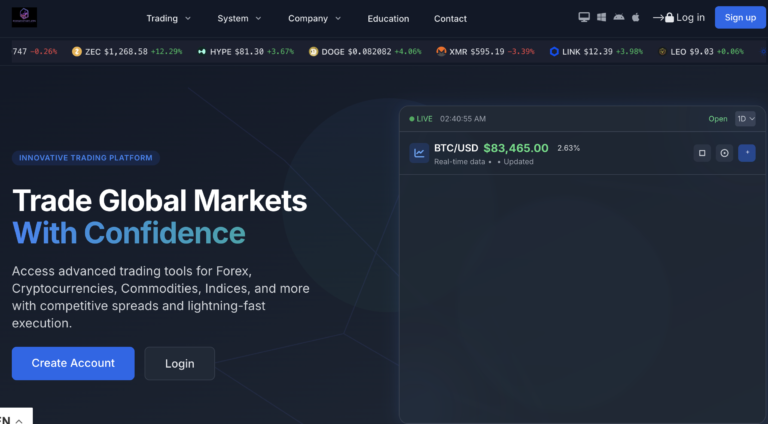
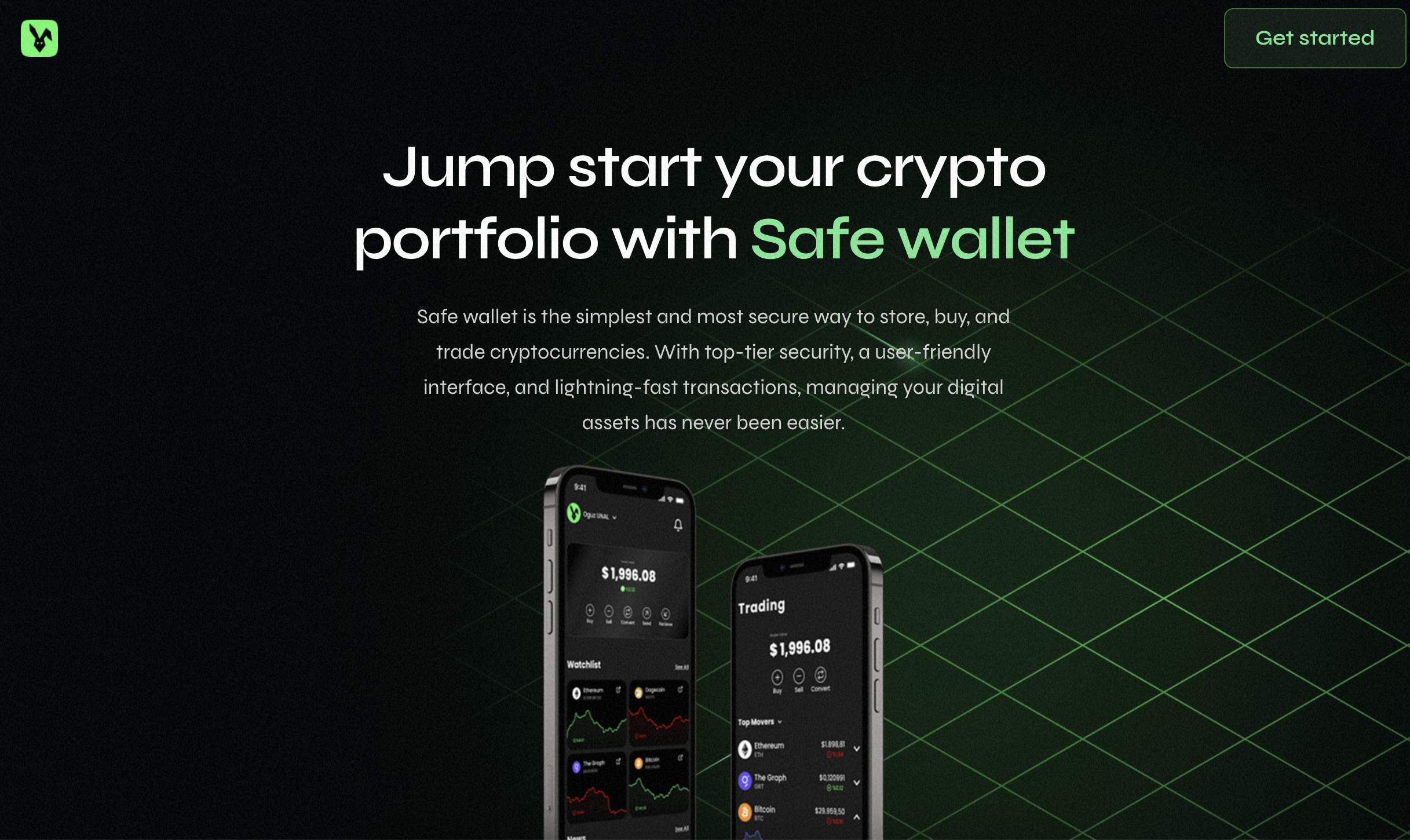
An attractive website, sophisticated account dashboard, or displayed investment balance should not be considered proof that an online financial service is trustworthy. Before depositing funds, users should investigate the business behind the website.
Important details to verify include the company’s legal name, physical address, management information, applicable financial authorization, and customer withdrawal policies. Where a business claims to be regulated, consumers should verify that information directly through the relevant regulator rather than relying exclusively on statements or registration numbers displayed on a website.
A lack of verifiable information does not by itself prove wrongdoing. However, unanswered questions concerning ownership, regulation, or withdrawal procedures can justify additional caution.
Warning Signs Investors Should Watch For
Several behaviors can indicate elevated risk when dealing with an online investment or cryptocurrency platform.
Investors should be particularly cautious about guaranteed profits, unusually high returns with little discussion of risk, aggressive requests for additional deposits, or persistent pressure from supposed account managers.
Withdrawal difficulties also deserve attention. A customer who is unexpectedly told to pay additional taxes, commissions, verification charges, or account-unlocking fees before receiving their money should independently investigate the demand before making another payment.
These warning signs are not presented as findings that Safe-wallet.io or Greenbit.fit necessarily engages in such practices. Instead, they are general indicators consumers should recognize when evaluating any online financial platform.
What to Do If You Cannot Withdraw Your Funds
If you have transferred money or cryptocurrency and subsequently encounter withdrawal problems, avoid reacting impulsively.
Begin by preserving all available evidence. Save emails, chat messages, screenshots, account statements, payment receipts, wallet addresses, transaction hashes, telephone numbers, and other relevant communications.
If the payment was made through a bank, credit card, cryptocurrency exchange, or another payment provider, contact that organization promptly. Depending on the circumstances and payment method, reporting, dispute, tracing, or account-security procedures may be available.
Suspected fraud can also be reported to appropriate financial regulators or law-enforcement authorities.
How Asset Retrieval Services Work
Professional asset retrieval services can help organize information surrounding a financial loss and assess potential recovery avenues. Cryptocurrency-related cases may involve analyzing blockchain transactions to determine how digital assets moved between wallet addresses.
Such analysis can potentially provide information useful to exchanges, investigators, attorneys, financial institutions, or authorities. However, blockchain tracing does not guarantee that cryptocurrency will ultimately be recovered.
Consumers should therefore be skeptical of anyone promising a guaranteed recovery or claiming that lost cryptocurrency can always be returned.
Beware of Cryptocurrency Recovery Scams
People who have already suffered investment losses can become targets of a second scam.
Fraudsters may claim that they have located stolen cryptocurrency and demand an upfront payment for taxes, wallet activation, blockchain clearance, or other supposed requirements. Never provide wallet seed phrases, private keys, passwords, or remote access to your device to an unknown recovery provider.
Before using any asset retrieval services, independently investigate the provider, its fees, contractual terms, identity, and proposed recovery process.
Recovering Your Funds from Safe-wallet with the Help of Nexareclaim
Individuals researching Recovering Your Funds from Safe-wallet with the Help of Nexareclaim.com should first collect comprehensive documentation relating to their transactions. Relevant evidence may include wallet addresses, transaction hashes, screenshots, bank records, payment confirmations, and communications with the platform.
Nexareclaim may be considered as one option when researching asset retrieval services. As with any recovery provider, prospective clients should independently evaluate its credentials, terms, fees, and proposed methods before proceeding. Fund recovery outcomes depend on the individual circumstances, and recovery should never be treated as guaranteed.
Final Thoughts on Safe-wallet.io and Greenbit.fit
This Safe-wallet.io / Greenbit.fit review demonstrates why independent research is essential before dealing with unfamiliar cryptocurrency or investment websites. Investors should verify regulatory claims, understand withdrawal conditions, protect sensitive information, and avoid making payments solely because of pressure or promises of exceptional returns.
If money has already been lost, preserving evidence and acting quickly can be important. Contacting relevant financial institutions, reporting suspected misconduct through appropriate channels, and carefully evaluating legitimate asset retrieval services can help determine what recovery options may still be available.